
 ×
×
Faster Decisions at the Bedside
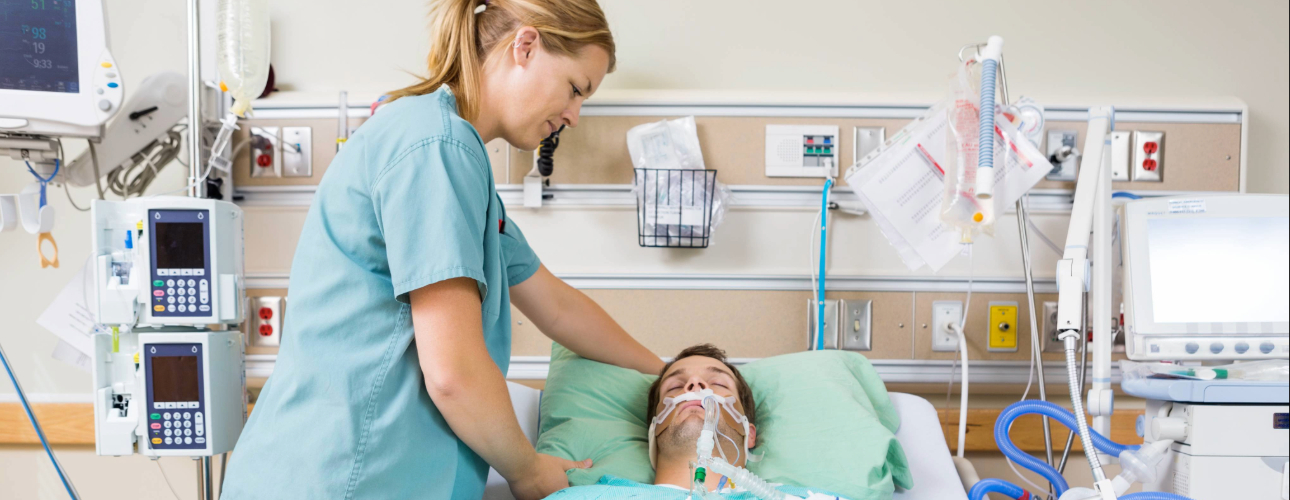
Nurses in emergency departments (EDs) and intensive care units (ICUs) must make life-saving, split-second decisions for their patients using technology that monitors vital signs like blood pressure, oxygen, and glucose levels. Yet one vital organ—the brain— often remains unmonitored at the bedside.
When a patient’s level of consciousness changes unexpectedly, the cause isn’t always clear. It may be sedation, metabolic imbalance, or something more serious—like a seizure. Without EEG, there is no definitive way to confirm whether seizure activity is occurring, particularly in cases where there are no visible signs.
Importantly, the risk of seizures extends beyond traditional neurological conditions. Patients with altered mental status, head trauma, sepsis, cardiac arrest, and other acute conditions may also be at risk—making EEG an important consideration across a wide range of ED and ICU populations.
For patients with nonconvulsive seizures (NCS) or status epilepticus (SE), faster time to treatment can have enormous impacts on health outcomes. Research has shown that delays in diagnoses and treatment of seizures have been associated with a higher incidence of brain injury and increased mortality risks.i Treatment times also matter, with one study reporting that rapid administration (within 30 minutes) of antiepileptic drugs significantly improves seizure control and neurological outcomes.ii
However, assessing brain activity has traditionally required complex EEG setups involving long wait times, specialized expertise, or transferring patients to other facilities—often resulting in delay in time to diagnosis or treatment. For nurses caring for acutely ill patients, that’s time they don’t have. This is particularly concerning for ICU and ED patients, among whom instances of NCS and SE can be quite high. For example:
The number of patients at risk for NCS and SE, along with the importance of rapid diagnosis and treatment, underscores the need for greater awareness of EEG’s role in acute care, as well as the need for neurodetection tools that nurses can deploy quickly and effectively. Thankfully, new technology is providing a crucial “window to the brain” to achieve just that.
Critical care teams understand the dangers of unrecognized and untreated seizures, yet immediate access to EEG technologists and conventional EEG machines is often unattainable due to high demand or resource constraints and limitations. POC-EEG technology gives ICU and ED nurses a way to quickly gain a clearer view of their patients’ neurological status, right at the bedside.
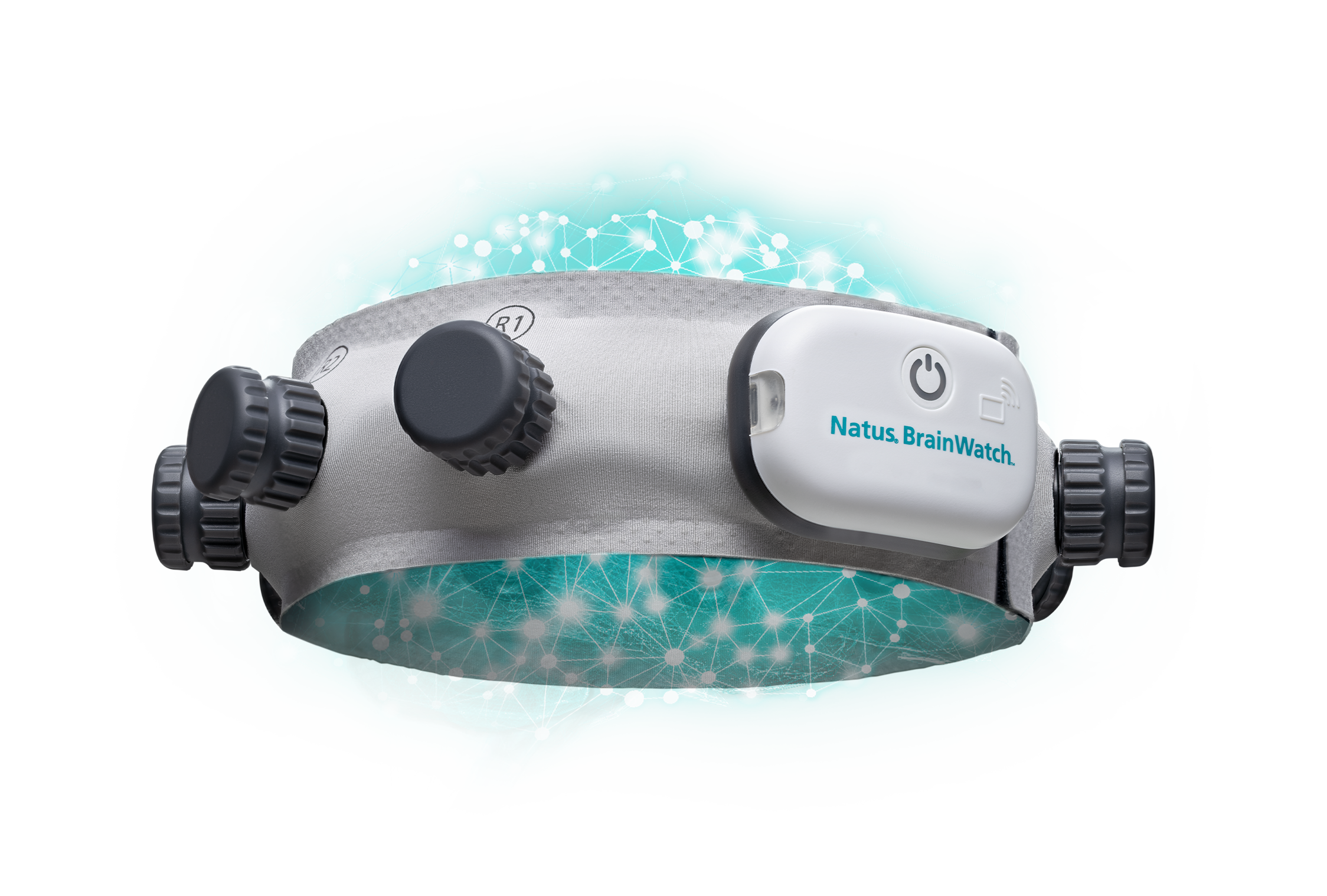
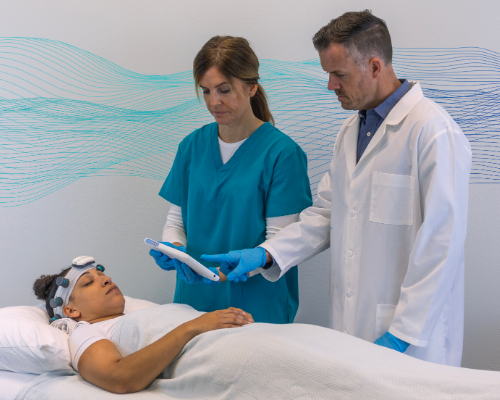
Every other vital organ has dedicated monitoring tools, and now with POC-EEG tools like BrainWatch, nurses finally have a bedside tool to visualize the brain in real-time. BrainWatch requires no specialized EEG training or expertise, can be set up in less than 5 minutes, and enables nurses to begin EEG monitoring quickly. An intuitive tablet includes visual and auditory alarms and email notifications to help to immediately notify of critical neurological changes, while 24/7 real-time access allows for remote neurologist consultation and provides additional support for rapid treatment and intervention decisions.
With POC-EEG, brain monitoring can now be treated with the same urgency and visibility as the heart, lungs, and blood pressure—making it an essential part of bedside care and critical patient monitoring.
“We’ve witnessed many nurses have that brilliant “aha” moment once they begin using BrainWatch. They immediately see it’s easy to use, and soon after they understand how important the data from real-time brain monitoring can be.” – Rachel Malloy, DNP, RN, Director of Clinical Application, Natus
Emergency departments and intensive care units are high-pressure environments where decisions must be made fast. Nurses frequently care for patients presenting with altered mental status, suspected drug interactions, or trauma, many of whom may be experiencing NCS or SE.
Despite the consequences of diagnostic delays, recognition and treatment of NCS and SE can still take significant time. When EEG is delayed by hours, care teams are operating outside the window where first‑line therapy is most effective. One analysis of neuro care patterns in EDs reported that only 3% of ED patients with suspected seizures received EEG confirmation within 24 hours.v
POC-EEG gives ED nurses the ability to begin monitoring brain activity quickly. Their expertise supported by clinical data can dramatically expedite important necessary care for their patients. As one ED nurse BrainWatch user puts it: “The tool fits right into what we’re already doing. On those patients where we don’t know what’s going on, I can have BrainWatch placed in minutes—it doesn’t slow anything down; it helps us move faster. I compare it to a glucometer. If we suspect low blood sugar, we grab the appropriate tool to check. The same idea applies here—if I suspect a nonconvulsive seizure, I have BrainWatch.”
In the ED or ICU, even a small change in neurological status can signal something serious. But interpreting those changes isn’t always straightforward, especially when patients are sedated, intubated, or experiencing altered mental states. Nurses often rely on their instincts when something “feels off,” but when it comes to the brain, they’re left with limited tools to confirm those suspicions. Even when EEG is ordered, it can take hours before monitoring actually begins and nurses and care teams get the information they need.
A significant percentage of ICU patients experience subclinical seizures, with studies reporting that nonconvulsive seizures occur in approximately 10–48% of ICU patients.vi These events don’t show outward signs and can only be confirmed through EEG monitoring. Without timely detection, these silent seizures can escalate, contributing to secondary brain injury and increased morbidity risks.
With POC-EEG, bedside brain monitoring can begin in minutes. That helps nurses confirm subtle neurologic shifts without waiting for neurology or initiating a time-consuming transport. A patient who suddenly stops following commands might not be over-sedated; they could be having a seizure. Using POC-EEG technology, nurses can gain real-time, easy-to-understand insights into brain activity while maintaining their workflow.
Many hospitals are now incorporating POC-EEG into nurse-driven protocols. Nurse-driven protocols not only define the application of the monitor but also set forth a set of actionable responses and interventions based on EEG findings. As standing orders, they allow nurses to perform certain pre-defined critical or time-sensitive interventions without waiting for physician approval, helping save precious time for patients.
As one ICU nurse describes: “Before, I’d tell the team I thought something wasn’t right and have to wait. Now I can place BrainWatch and confirm what my instincts and experience are telling me. It changes the whole conversation.”
From a workflow perspective, POC-EEG integrates smoothly into nursing practice, helping nurses expedite care while avoiding added burden at the bedside. From a patient care perspective, tools like BrainWatch can improve patient care, supporting the nurse’s crucial role in early detection and treatment of suspected NCS and SE.
In emergency and critical care settings, where rapid intervention can make all the difference for patients, nurses’ ongoing assessments and monitoring at the bedside position them to be among the first to notice when something isn’t right. POC-EEG gives them the confidence, and the evidence, to act quickly, protect the brain, and potentially save lives. That’s powerful, patient-centered care in action.

i. Pan, Y., Feng, Y., Peng, W. et al. Timing matters: there are significant differences in short-term outcomes between two time points of status epilepticus. BMC Neurol 22, 348 (2022). https://doi.org/10.1186/s12883-022-02868-y
ii. Silbergleit R, Durkalski V, Lowenstein D, et al. (2012). Intramuscular versus intravenous therapy for prehospital status epilepticus. New England Journal of Medicine, 366(7), 591–600. doi:10.1056/NEJMoa1107494
iii. Zawar I, Briskin I, Hantus S. Risk factors that predict delayed seizure detection on continuous electroencephalogram (cEEG) in a large sample size of critically ill patients. Epilepsia Open. 2022 Mar;7(1):131-143. doi: 10.1002/epi4.12572. Epub 2021 Dec 23. PMID: 34913615; PMCID: PMC8886063.
iv. Westover, M. Brandon, et al. “The Probability of Seizures during EEG Monitoring in Critically Ill Adults.” Clinical Neurophysiology, vol. 126, no. 3, Mar. 2015, pp. 463–471, https://doi.org/10.1016/j.clinph.2014.05.037.
v. Jirsch, J.D., et al. (2016). The use and utility of electroencephalography in the emergency department: A review. The American Journal of Emergency Medicine, 34(7), 1225–1230.
DOI: 10.1016/j.ajem.2016.03.001
vi. Rubinos C, Alkhachroum A, Der-Nigoghossian C, Claassen J. Electroencephalogram Monitoring in Critical Care. Semin Neurol. 2020 Dec;40(6):675-680. doi: 10.1055/s-0040-1719073. Epub 2020 Nov 11. PMID: 33176375; PMCID: PMC7856834.
052645 RevA